History of Jersey 83-93 Banner sm photo History of Jersey 83-93 Banner sm.jpg
Showing posts with label California Golden Seals. Show all posts

Tuesday, June 13, 2017

The Cleveland Barons/Minnesota North Stars Merger

Our story today begins back in 1967 when the NHL expanded from six teams to 12 with the addition of the St. Louis Blues, Pittsburgh Penguins, Philadelphia Flyers, Los Angeles Kings and the focus of today's story, the California Seals and the Minnesota North Stars.

While the North Stars thrived in the hockey hotbed of Minnesota, the situation in California got off to a rocky start. San Francisco was not considered a particularly lucrative market for hockey, but the terms of the new television agreement the league had signed with CBS called for two of the six new expansion clubs to be located in California.

The Seals were supposed to have been located in San Francisco, but the planned arena was never built. Instead, the team was based across the bay in Oakland. The club was originally called the "California Seals" to appeal to fans in the larger San Francisco and address complaints from the other NHL team, who thought Oakland was not a major league city, as it's only other professional sports team at the time was the Oakland Raiders of the second rate American Football League. Then, on November 6, 1967, after having played just a dozen games, owner Barry Van Gerbig announced the team's name was being changed to the "Oakland Seals"!

Bobby Baun Seals photo BobbyBaunSeals.jpg
Team captain Bobby Baun wearing their first "C" logo jersey
from the club's original name of "California Seals"

Poor attendance led to threats by Van Gerbig to move the club and the poor record in the ice led to only seven of the original 20 players returning for the second season. While the team finished with records below .500, they qualified for the playoffs in 1968-69 and 1969-70, but lost in the first round both times.

1968-69 California Seals team photo 1968-69CaliforniaSealsteam.jpg
The 1968-69 Oakland Seals now wearing "O" logo sweaters

Prior to the 1969-70 season, Van Gerbig sold the club to a group called Trans National Communications, but when the group filed for bankruptcy, ownership reverted to Van Gerbig, who put the club up for sale once again.

The Oakland Seals were then purchased by Charlie O. Finley, owner of the Oakland Athletics baseball club, who had moved to the bay area in 1968. Never one to sit still, Finley renamed the team the "California Golden Seals" and changed the team's colors from green and blue to green and gold to match those worn by his baseball club, as well as having the team wear flashy white skates!

Photobucket
Owner Finley changed the Seals colors to green and gold
with flashy (and infamous) white skates

Unfortunately the the Golden Seals finished last in the NHL during their first season under Finley's ownership with just 45 points from 78 games. Even worse, the Seals first overall pick in the 1971 NHL Entry Draft had already been traded to the Montreal Canadiens for Ernie Hicke and Montreal's first round pick in 1970, used by he Golden Seals to take Chris Oddleifson, and the always needed cash. The Canadiens then used the draft choice obtained from the Golden Seals to select none other than future Hall of Famer Guy Lafleur.

The team improved by 15 points the following season, but suffered from the emergence of the World Hockey Association, as the frugal Finley refused to match the WHA's contract offers to his players resulting in five of the team's top ten scorers leaving for the rival league and the Golden Seals once again sank to the bottom of the standings with 48 points in 1972-73 and followed that up with just 36 points in 1973-74.

Matters were made worse, if that's even possible, by a divisional restructuring which somehow found the Golden Seals placed in the newly created Adams Division with the Boston Bruins, Buffalo Sabres and Toronto Maple Leafs, in an apparent effort by the league to kill off the franchise, as each of the other clubs were a minimum of 2,300 miles to the east!

Having grown tired of owning the hockey team, especially in direct comparison to his three-time world champion Athletics baseball team, Finley tried unsuccessfully to sell the Golden Seals and the franchise was eventually eventually taken over by the NHL.

Meloche Seasl photo Meloche Seals.jpg
Goaltender Gilles Meloche wearing the new post-Finley
team colors of Pacific Blue and California Gold

Melvin Swig then purchased the team in 1975 with plans to have the team play in a new arena in San Francisco. Those plans never came to pass following the election of a new mayor who was opposed to the plan, so after nine money-losing seasons, low attendance and few victories, minority owners George and Gordon Gund convinced Swig to relocate the team to their hometown of Cleveland, Ohio, making the club the first NHL team to relocate since 1934 and bringing to and end the Golden Seals ordeal in California, where the team had more names than playoff appearances!

Once relocated for the 1976-77 season, the franchise was renamed the Cleveland Barons and took up residence in the Richfield Coliseum, giving them the largest seating capacity in the NHL at the time of 18,544, but they would never come close to filling it in the two years they played in Cleveland. Their 1976 home opener drew only 8,900 fans and they attracted 10,000 at only seven out of their 40 home games.

 photo 1976-77 Cleveland Barons team.jpg
The 1976-77 Cleveland Barons team

After the first season in Cleveland, majority owner Swig sold his interest in the team to the Gund brothers, who tried to put a more competitive team on the ice the second year. The Barons were able to  defeat the defending champions the Montreal Canadiens in November and the Toronto Maple Leafs, New York Islanders and Buffalo Sabres in consecutive games in January. They also set an attendance record of 13,110 vs. Philadelphia that year, but a agonizing 15 game losing streak eliminated them from playoff contention and an eventual point total lower than the year before.

Meloche Barons photo MelocheBarons.jpg
Goaltender and Golden Seals holdover Gilles Meloche
anchored the NHL's Cleveland Barons

After the season the Gunds tried to buy the Coliseum, but failed. Meanwhile, the North Stars had fallen on hard times in Minnesota, thanks to a combination of poor play which caused them to miss the playoffs four of the previous five seasons and competition from the cross-town Minnesota Fighting Saints of the WHA, who played just 11 miles up the road in St. Paul and at times drew sellout crowds of over 17,000 during the North Stars down period.

With serious concerns that both clubs were on the verge of folding, on this date in 1978, the league granted approval for the Barons to merge with the Minnesota North Stars under the Gunds ownership. The team would play in Minnesota and retain the North Stars name, but take the Barons place in the Adams Division. The Barons remain the last franchise in the four major North American sports leagues to cease operations.

Things had to happen fast, as the 1978 NHL Amateur Draft was just two days away and a special dispersal draft for the excess players from the combined rosters needed to be held first. The new North Stars were allowed to protect 10 players and two goaltenders from the combined rosters of Cleveland and Minnesota prior to the dispersal draft, in which any team wanting to claim an unprotected player could do so for $30,000.

Working quickly for the freshly merged club, Minnesota's brand new General Manager Lou Nanne (who had only stopped playing at the end of the just completed season!) and Cleveland's GM Harry Howell (who became the combined team's head coach) evaluated their recently combined roster and protected Per-Olav Brasar, Brad Maxwell, Bryan MaxwellGlen Sharpley, Tim Young and goaltender Pete LoPresti from the North Stars roster and Mike Fidler, Rick Hampton, Al MacAdam, Dennis Maruk, Greg Smith and goaltender Gilles Meloche from the Barons.
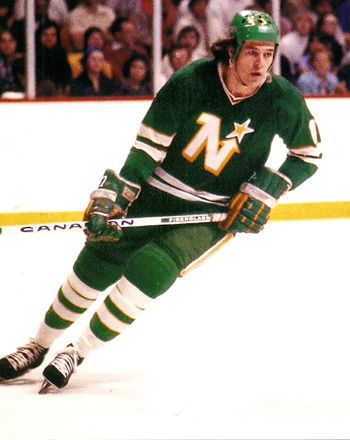
Tim Young North Stars photo TimYoung North Stars.jpg
Tim Young

Only the five worst teams were allowed to make selections from the unprotected players in the Dispersal Draft, held on June 15, 1978, just two days after the merger of Cleveland and Minnesota was agreed to! The Washington Captials chose to pass, and were instead allowed to make an additional pick at the end of the first round of the 1978 Amateur Draft.

After the St. Louis Blues chose Mike Crombeen from the Barons roster, the North Stars were allowed to protect an additional player, which was Ron Zanussi. The Vancouver Canucks then chose Randy Holt, also formerly of the Barons. After the Pittsburgh Penguins passed on their chance to select a player, Bob Stewart was then added to the protected list by Minnesota. The Dispersal Draft then concluded when the Colorado Rockies declined their chance to select a player.

The newly merged roster was then immediately supplemented later the same day by the North Stars having the first overall pick in the 1978 NHL Amateur Draft thanks to Minnesota having finished dead last in the league at the end of the 1977-78 season. They chose eventual NHL Rookie of the Year and future team captain Bobby Smith in the first round and his Ottawa 67's linemate Steve Payne in the second round, both of whom would go on to be 40 goal scorers for the North Stars. They then hit on future Miracle on Ice team member Steve Christoff later in the second round, who would score 26 goals twice for the North Stars and excel as a penalty killer, and another future team captain, defenseman Curt Giles in the fourth round.

In addition to those protected in the dispersal draft and chosen in the Amateur Draft, the team was also able to retain several players who were not chosen in the Dispersal Draft despite not being protected. Among those were Tom YounghansFred Barrett and Bill Butters off the North Stars roster and the return to Minnesota of J. P. Parise from Cleveland as well as goaltender Gary Edwards, who supplanted LoPresti as Meloche's backup, playing in 25 games in 1978-79.

Looking back on the previous week, Nanne probably could not believe his luck, having taken over as General Manager the worst team in the NHL, he now suddenly found himself with the additions of Fidler, MacAdam, Maruk, Greg Smith, Parise, and goaltenders Meloche and Edwards plus draft picks Bobby Smith and Payne for the upcoming season - and all without having to have traded a single asset!
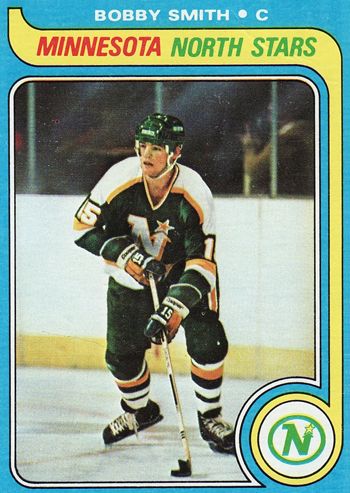
 photo Bobby-Smith-Rookie.jpg
Bobby Smith arrived in Minnesota the year
they merged with the Cleveland Barons

The critics said if you combined the rosters of two terrible teams, you were going to be left with a terrible team, but the combined talents of of the two teams plus the addition of their draft class of 1978 proved them wrong. While they did miss out on the playoffs in 1979, the 1979-80 roster reached the playoff Semifinals.
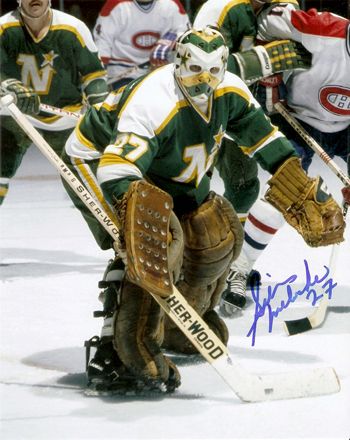
Meloche North Stars photo Meloche North Stars.jpg
A common thread from the Seals to the Barons and
eventually the North Stars, Gilles Meloche

Then the 1980-81 team, who by now had Christoff and Giles plus 1979 draft picks Craig Hartsburg and homegrown Neal Broten plus electrifying undrafted free agent Dino Ciccarelli (who was passed over after having suffered a broken leg in juniors), veteran Paul Shmyr, tough guy Jack Carlson and rookie goaltender Don Beaupre, made it to the Stanley Cup Finals in the space of three short seasons after having finished dead last in the NHL.
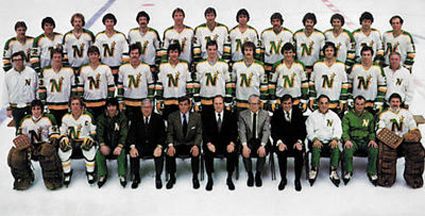
 photo 1980-81 Minnesota North Stars team.jpg
The new look North Stars reached the Stanley Cup Finals in 1981

It would take 22 years before the NHL would return to Ohio, but not to Cleveland, as the new team would be in the form of the Columbus Blue Jackets in 2000-01.

Today's first featured jersey is a 1974-75 California Golden Seals Gilles Meloche jersey. Meloche arrived in Oakland for the 1971-72 season after a trade from the Chicago Black Hawks, who had drafted Meloche in 1970.

After the departure of owner Finley, the Golden Seals colors were changed from his signature green and gold to the even less intimidating shades of "Pacific Blue" (teal) and "California Gold" (yellow), quite probably the worst colors ever for an NHL team, which were about as intimidating as Easter eggs. The change also gave the team more total color schemes than playoff appearances as well.

Aside from the unusual color scheme of the last incarnation of Golden Seals jerseys, another odd characteristic of this set was the decidedly "football jersey" style vertical stripes where the arms meet the body of the jersey, which are something that had never appeared on an NHL jersey before or since.

 photo California Golden Seals 1974-75 F jersey.jpg
 photo California Golden Seals 1974-75 B jersey.jpg

Today's second featured jersey is a 1976-77 Cleveland Barons Gilles Meloche jersey. Made by ProJoy at a time when replicas were less than accurate. While this jersey has it's issues, like the sleeve stripes being straight instead of angled, the crest is very well made, with each piece being a separate piece of fabric sewn together. The Gothic "B" in the state of Ohio in the center of the main logo is five separate layers of fabric and both the curved "Cleveland" and "Barons" names are each intricate single pieces of twill sewn onto the "C"!

What sets the 1976-77 jerseys apart from the 1977-78 jerseys is the wonderful State of Ohio patches on the sleeves for the numbers. The other difference between the two year was that the 1976-77 jerseys did not have the names on the back of the road jerseys.

But then, as is part of the fun of jersey collecting, a mystery presented itself in the form of this picture...

Photobucket

A name on the back of a Barons road jersey with the State of Ohio sleeve patches? That didn't add up, so we posted the photo on a collector forum and questioned wether it was perhaps from a pre-season game before the 77-78 season.

The key to the mystery was that the Barons are shown playing the St. Louis Blues, who they played twice that season - once on February 28th, a Monday, and again on April 2nd, a Saturday and a national TV hockey day.

Due to the fact their game was going to be shown on national TV, the Barons were required at the request of the network to add names to the back of the jerseys, which were then removed after the game because the team owners thought that having names on the back of the player's jerseys would hurt their program sales.

Armed with that unique story, we had our jersey customized as it was worn on April 2nd, 1977 against the Blues, complete with the State of Ohio patches and the name on the back for national TV purposes. We love being able to say that a jersey was worn on one specific date, generally through the addition of a unique patch, a trend that will no doubt apparent to regular readers of this blog.

 photo Cleveland Barons 1976-77 F.jpg
 photo Cleveland Barons 1976-77 B.jpg


Today's third featured jersey is a 1983-84 Minnesota North Stars Gilles Meloche jersey. An interesting fact about Meloche is that he played for the California Golden Seals from 1971-72 to 1975-76, the Cleveland Barons in both 1976-77 and 1977-78 and then the Minnesota North Stars from 1978-79 to the 1984-85 season, 14 seasons in all with three different teams without once ever having being traded or signing a free agent contract as the Seals relocated to Cleveland and the Barons then merged with the North Stars.

Joining Meloche on the journey from California to Cleveland to Minnesota was MacAdam and technically Greg Smith (1 game as a rookie with the Seals before their move to Cleveland) and Maruk, who was traded to Washington after just two games with the North Stars (only to return to Minnesota five years later).

We doubt if any other players ever had so much discontinuity in such a continuous career as Meloche (14 seasons with three teams but no trades or free agent signings) and MacAdam (10 seasons of the same)!

The North Stars ushered in their new era of Gund's ownership with a new style of jersey, dropping the dual waist and arm stripes of the same color by changing to dual two color stripes of the same width. While the white home jerseys got the addition of black trim back in 1981-82, the green road jerseys did not have the addition of the striking black accent color until 1988-89.

 photo Minnesota North Stars 1983-84 F jersey.jpg
 photo Minnesota North Stars 1983-84 B jersey.jpg

Today's video is a brief, and frankly depressing look at the history of pro hockey in Cleveland through the departure of the Barons.

Monday, November 21, 2016

1971-72 New York Rangers Jean Ratelle Jersey

On this date in 1971, the California Golden Seals traveled to Madison Square Garden to take on the New York Rangers in front of 17,250 fans.

Rookie goaltender Gilles Meloche got the start for the Golden Seals, while veteran Gilles Villemure got the call for New York.

Villemure Rangers photo VillemureRangers.jpg
Rangers starting goaltender Villemure

The Golden Seals came into the game with a 6-11-3 record and had lost five of their previous six games. Meanwhile the host Rangers were 13-2-4 and had just lost their previous game 4-1 the day before in Minnesota, snapping a a 6 game winning streak and a 14 game unbeaten streak.

Jean Ratelle opened the scoring for the Rangers 4:11 into the contest with assists from Rod Gilbert and defenseman Dale Rolfe with his 11th goal of the season. Vic Hadfield's 14th goal of the season at 14:59 from Brad Park and Gilbert made it 2-0 for the Rangers after the first period.

 photo Ratelle Rangers.jpg
Jean Ratelle

The Rangers extended their lead to 3-0 at 4:06 when left winger Ted Irvine scored his third goal of the season from Rod Seiling and new arrival Gene Carr, who had just recently arrived from the St. Louis Blues. Ratelle then scored his second goal of the night at 13:42 from Hadfield and Jim Neilson to extend the Rangers advantage to 4-0 before the Golden Seals showed some signs of life when right winger Norm Ferguson got California on the board when he beat Villemure at 17:53 from future Ranger Carol Vadnais and Gary Jarrett to make the score 4-1 for New York at the end of the second.

Ratelle completed his hat trick just 41 seconds into the third period, again from Gilbert and Rolfe. A little over a minute later Irvine had his second goal of the night when he beat Meloche at 1:56 from Bruce MacGregor and Carr.

Less than two minutes later, Ratelle had his fourth goal of the game and 14th of the season from Hadfield and Gilbert as all three members of the GAG line combined for the seventh Rangers goal at 3:40. Team captain Hadfield, center Ratelle and right wing Gilbert were known as the GAG line, which was an acronym for Goal-A-Game, and no doubt combining for five goals on the night certainly helped maintain their average for the season!

GAG Line Rangers Pictures, Images and Photos
The GAG Line, Hadfield, Ratelle and Gilbert

Carr, already with two assists, scored at 6:44 from Seiling and Neilson for the fourth Rangers goal of the period as the rout was well and truly on as New York now led 8-1.

The next to join the fun for the Rangers was rookie Pierre Jarry, who scored the first goal of his career at 11:03 from Walt Tkaczuk and Neilson. They stayed out on the ice for the subsequent faceoff, which was won by Tkaczuk, who got the puck to Jarry. He crossed the Golden Seals blueline and fired a shot past Meloche for the second goal of his career - just a mere five seconds after his first one! With the Rangers now leading 10-1, California head coach Vic Stasiuk mercifully, and finally, pulled Meloche, who had given up 10 goals on 40 shots against.

 photo Meloche Seals.jpg
Gilles Meloche was finally pulled after giving up ten Rangers goals

Lyle Carter was the unfortunate backup goaltender who had to come in and face the red hot New York onslaught with just under 9 minutes remaining. At 12:27, just 1:19 after coming into the game, Carter gave up the 11th Rangers goal when Carr scored his second of the period from MacGregor and Park with Vadnais in the penalty box for the Golden Seals - remarkably the first power play goal of the game out of the dozen combined goals scored up to that point.

The final nail in the Golden Seals coffin arrived with just 36 seconds left in the game when Bill Fairbairn scored the eighth Rangers goal of the period from Seiling and Tkaczuk at 19:24 for a final score of 12-1 for New York.

 photo Tkaczuk Rangers.png
Walt Tkaczuk had three assists in the third period,
two of them on Jarry's goals five seconds apart

Villemure got the easy win for the Rangers after making 15 saves on 16 shots, while Carter made 10 saves on 12 shots. Combined with the 40 Meloche endured, New York peppered the Golden Seals net with a total of 52 shots for the game.

Villemure Rangers photo 1972-73NewYorkRangersjersey.png
Gilles Villemure

Ratelle was the star of the night with his four goals, while Carr had 2 goals and 2 assists for 4 points of his own. Hadfield (1 goal and 2 assists), Gilbert (3A), Seiling (3A), Neilson (3A) and Tkaczuk (3A) all had three points on the night, while five others had 2 points among the 13 Rangers who registered a point on the night, with special mention going to the rookie Jarry's first two career goals scored just five seconds apart.

As bad as the night was for California, they would rebound with a 6-1 win in their next game against the Detroit Red Wings and avoid any extended losing streaks, save for dropping their final six games of the season, finishing with a 21-39-18 record, good for 6th place in the 7 team West Division with 60 points, just 7 back of third place St. Louis.

Meanwhile, the Rangers went 48-17-13 for 109 points, second best in the league behind only the Boston Bruins 119.

The playoff format of the day saw the teams cross-over from East and West Divisions in the Semifinals, which was done in order to create a more competitive Stanley Cup Final, as the previous format had led to three straight blowouts from 1968 to 1970.

In 1972, the Rangers defeated the Montreal Canadiens 4 games to 2 and then swept the Chicago Black Hawks in 4 straight to advance to the Finals against the Bruins, who defeated the Rangers in six games.

Ratelle (109 points), Hadfield (106) and Gilbert (97), would finish 3-4-5 in league scoring that season, while Villemure's 2.09 goals against average was second in the NHL that season.

Today's featured jersey is a 1971-72 New York Rangers Jean Ratelle jersey. The Rangers debuted in 1926 wearing jerseys not too dissimilar to the one worn by Ratelle in 1971-72. The original white lettering changed to red for their second season of play. The font still used for the cresting arrived in 1941 and the drop shadow on both the crest and the numbers came a year later. In 1951 the laces were added to the collar and they arrived at today's featured style when the sleeve numbers arrived in 1963.

This style would be used through 1975-76 before a new, modern jersey was worn for two seasons with the Rangers shield as the main crest In 1978-79, this style returned, only with Rangers replaced by "New York" on the front until reverting back to "Rangers" in 1987.

 photo New York Rangers 1971-72 F jersey.jpg
 photo New York Rangers 1971-72 B jersey.jpg

Extra bonus jersey: Today's extra extra bonus jersey is a 1971-72 California Golden Seals Gilles Meloche jersey as worn during the Golden Seals game in Madison Square Garden on this date in 1971 when the rookie Meloche was shelled for ten goals by Ratelle and the Rangers.

The Seals debuted with jerseys that were green and blue with white trim from 1967-68 to 1969-70. For the 1970-71 season, new owner Charlie O. Finley changed the team colors to green and gold to match his Oakland Athletics of Major League Baseball, including having his team wear white skates at first to match the white shoes worn by the A's.


This style would remain in use for four seasons under Finley's ownership until the colors were once again changed from kelly green to teal and yellow for the team's final two seasons in Oakland.


 photo California Golden Seals 1971-72 jersey.jpg
photo courtesy of Classic Auctions

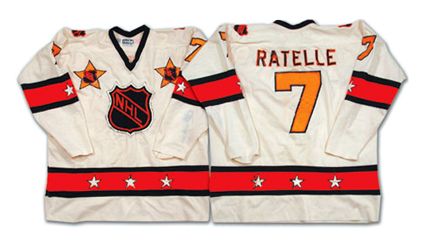
Extra extra bonus jersey: Today's extra extra bonus jersey is a 1980 NHL All-Star Game Jean Ratelle jersey as worn in the game played in Detroit. It was the fifth and final All-Star Game of Ratelle's career. Ratelle had an assist in the game on a goal by Craig Hartsburg in a 6-3 winning effort by the Wales Conference.

photo courtesy of Classic Auctions

First in today's video segment, linemates Hadfield and Gilbert discuss the GAG line they were on with Ratelle.


Next, some classic footage and a look at the history of the Golden Seals.

Monday, April 4, 2016

A Brief History of the California Golden Seals

On this date in 1976, the California Golden Seals defeated the Los Angeles Kings 5-2 in the final game in franchise history.

The ever name changing California Seals were founded as part of the great NHL expansion of 1967-68. The San Francisco / Oakland area was not considered a particularly lucrative market for hockey, but the terms of a new television agreement with CBS called for two of the six new expansion teams to be located in California, with the other club being the Kings in Los Angeles.

The Seals were supposed to have been located in San Francisco, but the planned arena was never built, and instead, the team was based across the bay in Oakland. The club was originally called the California Seals to appeal to fans in San Francisco and address complaints from other NHL teams that Oakland was not a major league city, as it's only other professional sports team at the time was the Oakland Raiders of the inferior American Football League.

Bobby Baun Seals photo BobbyBaunSeals.jpg
Team captain Bobby Baun wearing their first "C" logo jersey
from the club's original name of "California Seals"

California Seals 1967-68 crest photo California Seals 1967-68 crest.jpg
A rare, original California Seals "C" crest from their first set of jerseys
photo courtesy of Classic Auctions
On November 6, 1967, after the franchise was just a mere dozen games old, owner Barry Van Gerbig announced that the team's name was being changed to the Oakland Seals!

Today's first featured jersey is a 1967-68 Oakland Seals Charlie Hodge jersey. As seen above, the California Seals began play with a "C" logo, but removed those crests and replaced them with an "O" logo following their early season name change. At the same time as the change from the original C logo to the O logo, the club also added a top layer of white to their original blue numbers outlined in white due to complaints that the blue numbers were too hard to read against the green background. This style jersey was worn for two seasons until a one year only style with wider striping and white shoulders.

Oakland Seals 1967-68 B R jersey photo Oakland Seals 1967-68 F R jersey.jpg
Oakland Seals 1967-68 B R jersey photo Oakland Seals 1967-68 B R jersey.jpg

Bonus jersey: Today's first bonus jersey is a 1967-68 California Golden Seals Alain Charon jersey. This home white jersey started from the beginning with three color numbers on the back and sleeves, unlike the green jerseys' original two color numbers.

These jerseys were also converted from the original "C" logos to the modified "O" logos following the unsettled club's early name change.

Oakland Seals 1967-68 H F jersey photo Oakland Seals 1967-68 H F jersey.jpg
Oakland Seals 1967-68 H F jersey photo Oakland Seals 1967-68 H B jersey.jpg

Poor attendance led to threats by Van Gerbig to move the club and a poor record on the ice led to only seven of the original 20 players remaining on the team for it's second season.

1968-69 California Seals team photo 1968-69CaliforniaSealsteam.jpg
The 1968-69 Oakland Seals with a heavily revamped
roster wearing "O" logo sweaters

While the Seals finished with records below .500, they would qualify for the playoffs in each of the next two seasons, 1968-69 and 1969-70, the only times the club see postseason action in their nine seasons. In 1969 the Seals took the Kings to a full seven games before losing and in 1970 they were swept in four straight by the Pittsburgh Penguins.

Oakland Seals 1969-70 photo Oakland Seals 1969-70.jpg
Wayne Muloin defends in front of goalie Charlie Hodge during the
1969-70 season in their one year only white shouldered jersey style

Van Gerbig sold the team to a group called Trans National Communications in time for the 1969-70 season, but when the group filed for bankruptcy, ownership reverted to Van Gerbig, who put the club up for sale again.

Today's second featured jersey is a 1969-70 Oakland Seals Barry Boughner jersey. This jersey was a one year only style worn for just the 1969-70 season before Van Gerbig found a new buyer for the franchise who brought his own unique sense of fashion.

Oakland Seals 1969-70 jersey photo Oakland Seals 
1969-70 jersey.jpg
photo courtesy of Classic Auctions
 
The Oakland Seals were then purchased by Charlie O. Finley, owner of the Oakland Athletics baseball club, who had moved to the bay area in 1968. Never one to sit still, Finley renamed the team the California Golden Seals for the 1970-71 season and changed the team's green and blue colors to green and gold, matching those worn by his baseball club, as well as having the team wear flashy white skates!

Photobucket
The California Golden Seals in their notorious white skates

Today's third featured jersey is a 1970-71 California Golden Seals Doug Roberts jersey in the club's new green and gold colors, paired with white skates, to repeat owner Charlie O. Finley's world champion Oakland Athletics colors.

These jerseys would be worn for three seasons with a lace up collar and for a fourth with a new v-neck collar.
 
 California Seals Golden 1971-72 jersey photo California Seals Golden 1971-72 H F jersey.jpg
California Seals Golden 1971-72 jersey photo California Seals Golden 1971-72 H B jersey.jpg

Unfortunately the the Golden Seals finished dead last in the NHL during their first season under Finley's ownership with just 45 points from 78 games. Even worse, their first overall pick in the 1971 NHL Entry Draft had already been traded to the Montreal Canadiens for the Canadiens' first round pick in 1970, left winger Ernie Hicke and the always needed cash. The player chosen by the Golden Seals with the 10th overall pick in the first round they received from Montreal turned out to be one Chris Oddleifson (95 career goals and 286 points), who they assigned to the minors before trading him to the Boston Bruins, never having played a game for the Golden Seals. Meanwhile, the Canadiens used the first overall draft choice obtained from the Golden Seals to select none other than future Hall of Famer Guy Lafleur, who went on to score 560 goal and 1,353 points and win 5 Stanley Cups in his 17 seasons.

Bonus jersey: Today's second bonus jersey is a 1971-72 California Golden Seals Joey Johnston jersey. This road green version was the first Seals jersey to feature names on the back and was worn during the period of Finley's ownership. The choice of white for the names on the back was a simple and effective way to give the jerseys increased contrast and the use of one color sleeve numbers is a throwback to simpler times.

California Seals Golden 1971-72 R B jersey photo California Seals Golden 1971-72 R F jersey.jpg
California Seals Golden 1971-72 R B jersey photo California Seals Golden 1971-72 R B jersey.jpg

The team improved by 15 points the following season, but suffered from the emergence of the World Hockey Association, as the frugal Finley refused to match the WHA's contract offers to his players resulting in five of the team's top ten scorers leaving for the rival league and the Golden Seals once again sank to the bottom of the standings with 48 points in 1972-73 and followed that up with just 36 points in 1973-74.

Matters were made worse, if that's even possible, by a divisional restructuring which somehow found the Golden Seals placed in the newly created Adams Division with the Boston Bruins, Buffalo Sabres and Toronto Maple Leafs, in an apparent effort by the league to kill off the franchise, as each of the other clubs were a minimum of 2,300 miles to the east! This meant any road games within their division began at 4 in the afternoon Pacific Time while most of their fanbase was theoretically still at work, unable to tune in to the radio or watch on TV.

Having grown tired of owning the hockey team, especially in direct comparison to his three-time world champion Athletics baseball team, Finley tried unsuccessfully to sell the Golden Seals, which was eventually eventually taken over by the NHL.

Melvin Swig then purchased the team in 1975 with plans to have the team play in a new arena in San Francisco. Those plans never came to pass following the election of a new mayor who was opposed to the plan, so after nine money-losing seasons, low attendance and few victories, minority owners George and Gordon Gund convinced Swig to relocate the team to their hometown of Cleveland, Ohio, making the club the first NHL team to relocate since 1934 and bringing to and end the Golden Seals ordeal in California, where the team had more names than playoff appearances.


Politically, Swig and the Gunds were relying on Swig's political connections with San Francisco Mayor Joseph L. Alioto to get a new hockey arena built downtown. "Alioto was very helpful, " Gund remembered. "He had hoped to put the team where the Moscone Center is now. It was very close to public transportation."

Regrettably for the Seals, Swig's timing was off. Alioto was leaving office and Swig supported the wrong man in the 1975 election. When George Moscone took office, the new arena died. "The new mayor put the building on hold." Len Shapiro said. "He ran an investigation into the report and then said the survey had to be resurveyed , so basically, it went nowhere. Then there were plans to remodel the Cow Palace but that never happened either." Once those two plans fell through, the Seals were finished in the Bay Area.

"After the new arena in San Francisco fell through, the league gave us the go-ahead to move the team." Gund remembered. "We looked at a lot of other places. We looked at Denver and Seattle-Tacoma. We ended up picking Cleveland because hockey was very popular there."

Rumors that the Seals would leave the Bay Area were almost as old as the team itself. The owners were quietly but aggressively looking over other locations. The NHL had planned expansion franchises for both Seattle and Denver, which were supposed to begin play in 1976-77. The new entires, though, were experiencing problems so moving the Seals to those cities was still a possibility.

Shapiro recalled when he first got an inkling the team might be leaving. "On February 1, 1976, I realized something might be up. I was in the office with Loretta Marcus [the team's secretary] and nobody else was there. I had no idea where anybody was. I looked at Munson Campbell's schedule and it said he was booked at the Cleveland Hilton. Then I knew something must be up."

George and Gordon Gund owned the Richfield Coliseum in Richfield, Ohio, where the NBA's Cleveland Cavaliers played. It was halfway between Akron and Cleveland, a location that would cause the franchise more problems in the future. In typical Seals fashion, even it's exit was not smooth. The club participated in the July 1976 entry draft as the Seals and even started selling tickets for the upcoming season in Oakland.

At the 1976 entry draft, the Seals made history by becoming the first NHL team to use its frist-round draft pick on a European player by drafting Swedish defenseman Bjorn Johansson. The team didn't make it's intention to move officially known until August 26, 1976. It was announced that the team would move to Cleveland and take the name of the AHL franchise that played there for so many years, the Barons. Because of the late move, the Barons had a mere six weeks to sell tickets in their new home. Once again, the franchise started its new life behind the proverbial eight ball.

Under the Gunds ownership, the Barons played in Ohio for two seasons, merged with the Minnesota North Stars, who were then sold to another group while the Gunds received an NHL expansion franchise, the San Jose Sharks, at the south end of San Francisco Bay, 40 miles from where it all started.

Today's fourth featured jersey is a 1974-75 California Golden Seals Marv Edwards jersey. After the departure of owner Charlie O. Finley, the Golden Seals colors were changed from his signature green and gold to the even less intimidating pastel shades of "Pacific Blue" (teal) and "California Gold" (yellow), quite probably the worst colors for an NHL team in league history, which were about as intimidating as Easter eggs. The change also gave the team more total color schemes than playoff appearances as well.

Not even the addition of goaltender Gary Simmons' black goalie mask with it's frightening green cobra was enough to offset the "only in California" colors of the Golden Seals final jersey set.

Photobucket

Aside from the unusual color scheme of the last incarnation of Golden Seals jerseys, another odd characteristic of this set was the decidedly "football jersey" style vertical stripes where the arms meet the body of the jersey, something that had never appeared on an NHL jersey before or since.

California Golden Seals Jersey photo GoldenSealsfront-1.jpg
 California Golden Seals Jersey photo GoldenSealsback-1.jpg

Bonus jersey: Today's third bonus jersey is a 1974-75 California Golden Seals Joey Johnston jersey. This home white version was used for the final two seasons of the Golden Seals with it's unique arm stripes at the shoulders and pastel color scheme.


California Seals Golden 1974-75 H F jersey photo California Seals Golden 1974-75 H F jersey.jpg
California Seals Golden 1974-75 H F jersey photo California Seals Golden 1974-75 H B jersey.jpg

Here are some fantastic old videos of the Seals in action. Check out those rinkside seats for $5.50 and playoff tickets for $12. Sign us up!


We don't care how hard you punch, there's just no dignity in wearing those teal jerseys.

Monday, June 15, 2015

The Cleveland Barons/Minnesota North Stars Merger

Our story today begins back in 1967 when the NHL expanded from six teams to 12 with the addition of the St. Louis Blues, Pittsburgh Penguins, Philadelphia Flyers, Los Angeles Kings and the focus of today's story, the California Seals and the Minnesota North Stars.

While the North Stars thrived in the hockey hotbed of Minnesota, the situation in California got off to a rocky start. San Francisco was not considered a particularly lucrative market for hockey, but the terms of the new television agreement the league had signed with CBS called for two of the six new expansion clubs to be located in California.

The Seals were supposed to have been located in San Francisco, but the planned arena was never built. Instead, the team was based across the bay in Oakland. The club was originally called the "California Seals" to appeal to fans in the larger San Francisco and address complaints from the other NHL team, who thought Oakland was not a major league city, as it's only other professional sports team at the time was the Oakland Raiders of the second rate American Football League. Then, on November 6, 1967, after having played just a dozen games, owner Barry Van Gerbig announced the team's name was being changed to the "Oakland Seals"!

Bobby Baun Seals photo BobbyBaunSeals.jpg
Team captain Bobby Baun wearing their first "C" logo jersey
from the club's original name of "California Seals"

Poor attendance led to threats by Van Gerbig to move the club and the poor record in the ice led to only seven of the original 20 players returning for the second season. While the team finished with records below .500, they qualified for the playoffs in 1968-69 and 1969-70, but lost in the first round both times.

1968-69 California Seals team photo 1968-69CaliforniaSealsteam.jpg
The 1968-69 Oakland Seals now wearing "O" logo sweaters

Prior to the 1969-70 season, Van Gerbig sold the club to a group called Trans National Communications, but when the group filed for bankruptcy, ownership reverted to Van Gerbig, who put the club up for sale once again.

The Oakland Seals were then purchased by Charlie O. Finley, owner of the Oakland Athletics baseball club, who had moved to the bay area in 1968. Never one to sit still, Finley renamed the team the "California Golden Seals" and changed the team's colors from green and blue to green and gold to match those worn by his baseball club, as well as having the team wear flashy white skates!

Photobucket
Owner Finley changed the Seals colors to green and gold
with flashy (and infamous) white skates

Unfortunately the the Golden Seals finished last in the NHL during their first season under Finley's ownership with just 45 points from 78 games. Even worse, the Seals first overall pick in the 1971 NHL Entry Draft had already been traded to the Montreal Canadiens for Ernie Hicke and Montreal's first round pick in 1970, used by he Golden Seals to take Chris Oddleifson, and the always needed cash. The Canadiens then used the draft choice obtained from the Golden Seals to select none other than future Hall of Famer Guy Lafleur.

The team improved by 15 points the following season, but suffered from the emergence of the World Hockey Association, as the frugal Finley refused to match the WHA's contract offers to his players resulting in five of the team's top ten scorers leaving for the rival league and the Golden Seals once again sank to the bottom of the standings with 48 points in 1972-73 and followed that up with just 36 points in 1973-74.

Matters were made worse, if that's even possible, by a divisional restructuring which somehow found the Golden Seals placed in the newly created Adams Division with the Boston Bruins, Buffalo Sabres and Toronto Maple Leafs, in an apparent effort by the league to kill off the franchise, as each of the other clubs were a minimum of 2,300 miles to the east!

Having grown tired of owning the hockey team, especially in direct comparison to his three-time world champion Athletics baseball team, Finley tried unsuccessfully to sell the Golden Seals and the franchise was eventually eventually taken over by the NHL.

Meloche Seasl photo Meloche Seals.jpg
Goaltender Gilles Meloche wearing the new post-Finley
team colors of Pacific Blue and California Gold

Melvin Swig then purchased the team in 1975 with plans to have the team play in a new arena in San Francisco. Those plans never came to pass following the election of a new mayor who was opposed to the plan, so after nine money-losing seasons, low attendance and few victories, minority owners George and Gordon Gund convinced Swig to relocate the team to their hometown of Cleveland, Ohio, making the club the first NHL team to relocate since 1934 and bringing to and end the Golden Seals ordeal in California, where the team had more names than playoff appearances!

Once relocated for the 1976-77 season, the franchise was renamed the Cleveland Barons and took up residence in the Richfield Coliseum, giving them the largest seating capacity in the NHL at the time of 18,544, but they would never come close to filling it in the two years they played in Cleveland. Their 1976 home opener drew only 8,900 fans and they attracted 10,000 at only seven out of their 40 home games.

 photo 1976-77 Cleveland Barons team.jpg
The 1976-77 Cleveland Barons team

After the first season in Cleveland, majority owner Swig sold his interest in the team to the Gund brothers, who tried to put a more competitive team on the ice the second year. The Barons were able to  defeat the defending champions the Montreal Canadiens in November and the Toronto Maple Leafs, New York Islanders and Buffalo Sabres in consecutive games in January. They also set an attendance record of 13,110 vs. Philadelphia that year, but a agonizing 15 game losing streak eliminated them from playoff contention and an eventual point total lower than the year before.

Meloche Barons photo MelocheBarons.jpg
Goaltender and Golden Seals holdover Gilles Meloche
anchored the NHL's Cleveland Barons

After the season the Gunds tried to buy the Coliseum, but failed. Meanwhile, the North Stars had fallen on hard times in Minnesota, thanks to a combination of poor play which caused them to miss the playoffs four of the previous five seasons and competition from the cross-town Minnesota Fighting Saints of the WHA, who played just 11 miles up the road in St. Paul and at times drew sellout crowds of over 17,000 during the North Stars down period.

With serious concerns that both clubs were on the verge of folding, on June 13, 1978, the league granted approval for the Barons to merge with the Minnesota North Stars under the Gunds ownership. The team would play in Minnesota and retain the North Stars name, but take the Barons place in the Adams Division. The Barons remain the last franchise in the four major North American sports leagues to cease operations.

Things had to happen fast, as the 1978 NHL Amateur Draft was just two days away and a special dispersal draft for the excess players from the combined rosters needed to be held first. The new North Stars were allowed to protect 10 players and two goaltenders from the combined rosters of Cleveland and Minnesota prior to the dispersal draft, in which any team wanting to claim an unprotected player could do so for $30,000.

Working quickly for the freshly merged club, Minnesota's brand new General Manager Lou Nanne (who had only stopped playing at the end of the just completed season!) and Cleveland's GM Harry Howell (who became the combined team's head coach) evaluated their recently combined roster and protected Per-Olav Brasar, Brad Maxwell, Bryan MaxwellGlen Sharpley, Tim Young and goaltender Pete LoPresti from the North Stars roster and Mike Fidler, Rick Hampton, Al MacAdam, Dennis Maruk, Greg Smith and goaltender Gilles Meloche from the Barons.

Tim Young North Stars photo TimYoung North Stars.jpg
Tim Young

Only the five worst teams were allowed to make selections from the unprotected players in the Dispersal Draft, held on this date in 1978, and the Washington Captials chose to pass, and were instead allowed to make an additional pick at the end of the first round of the 1978 Amateur Draft.

After the St. Louis Blues chose Mike Crombeen from the Barons roster, the North Stars were allowed to protect an additional player, which was Ron Zanussi. The Vancouver Canucks then chose Randy Holt, also formerly of the Barons. After the Pittsburgh Penguins passed on their chance to select a player, Bob Stewart was then added to the protected list by Minnesota. The Dispersal Draft then concluded when the Colorado Rockies declined their chance to select a player.

The newly merged roster was then immediately supplemented later the same day by the North Stars having the first overall pick in the 1978 NHL Amateur Draft thanks to Minnesota having finished dead last in the league at the end of the 1977-78 season. They chose eventual NHL Rookie of the Year and future team captain Bobby Smith in the first round and his Ottawa 67's linemate Steve Payne in the second round, both of whom would go on to be 40 goal scorers for the North Stars. They then hit on future Miracle on Ice team member Steve Christoff later in the second round, who would score 26 goals twice for the North Stars and excel as a penalty killer, and another future team captain, defenseman Curt Giles in the fourth round.

In addition to those protected in the dispersal draft and chosen in the Amateur Draft, the team was also able to retain several players who were not chosen in the Dispersal Draft despite not being protected. Among those were Tom YounghansFred Barrett and Bill Butters off the North Stars roster and the return to Minnesota of J. P. Parise from Cleveland as well as goaltender Gary Edwards, who supplanted LoPresti as Meloche's backup, playing in 25 games in 1978-79.

Looking back on the previous week, Nanne probably could not believe his luck, having taken over as General Manager the worst team in the NHL, he now suddenly found himself with the additions of Fidler, MacAdam, Maruk, Greg Smith, Parise, and goaltenders Meloche and Edwards plus draft picks Bobby Smith and Payne for the upcoming season - and all without having to have traded a single asset!

 photo Bobby-Smith-Rookie.jpg
Bobby Smith arrived in Minnesota the year
they merged with the Cleveland Barons

The critics said if you combined the rosters of two terrible teams, you were going to be left with a terrible team, but the combined talents of of the two teams plus the addition of their draft class of 1978 proved them wrong. While they did miss out on the playoffs in 1979, the 1979-80 roster reached the playoff Semifinals.

Meloche North Stars photo Meloche North Stars.jpg
A common thread from the Seals to the Barons and
eventually the North Stars, Gilles Meloche

Then the 1980-81 team, who by now had Christoff and Giles plus 1979 draft picks Craig Hartsburg and homegrown Neal Broten plus electrifying undrafted free agent Dino Ciccarelli (who was passed over after having suffered a broken leg in juniors), veteran Paul Shmyr, tough guy Jack Carlson and rookie goaltender Don Beaupre, made it to the Stanley Cup Finals in the space of three short seasons after having finished dead last in the NHL.

 photo 1980-81 Minnesota North Stars team.jpg
The new look North Stars reached the Stanley Cup Finals in 1981

It would take 22 years before the NHL would return to Ohio, but not to Cleveland, as the new team would be in the form of the Columbus Blue Jackets in 2000-01.

Today's first featured jersey is a 1974-75 California Golden Seals Gilles Meloche jersey. Meloche arrived in Oakland for the 1971-72 season after a trade from the Chicago Black Hawks, who had drafted Meloche in 1970.

After the departure of owner Finley, the Golden Seals colors were changed from his signature green and gold to the even less intimidating shades of "Pacific Blue" (teal) and "California Gold" (yellow), quite probably the worst colors ever for an NHL team, which were about as intimidating as Easter eggs. The change also gave the team more total color schemes than playoff appearances as well.

Aside from the unusual color scheme of the last incarnation of Golden Seals jerseys, another odd characteristic of this set was the decidedly "football jersey" style vertical stripes where the arms meet the body of the jersey, which are something that had never appeared on an NHL jersey before or since.

 photo California Golden Seals 1974-75 F jersey.jpg
 photo California Golden Seals 1974-75 B jersey.jpg

Today's second featured jersey is a 1976-77 Cleveland Barons Gilles Meloche jersey. Made by ProJoy at a time when replicas were less than accurate. While this jersey has it's issues, like the sleeve stripes being straight instead of angled, the crest is very well made, with each piece being a separate piece of fabric sewn together. The Gothic "B" in the state of Ohio in the center of the main logo is five separate layers of fabric and both the curved "Cleveland" and "Barons" names are each intricate single pieces of twill sewn onto the "C"!

What sets the 1976-77 jerseys apart from the 1977-78 jerseys is the wonderful State of Ohio patches on the sleeves for the numbers. The other difference between the two year was that the 1976-77 jerseys did not have the names on the back of the road jerseys.

But then, as is part of the fun of jersey collecting, a mystery presented itself in the form of this picture...

Photobucket

A name on the back of a Barons road jersey with the State of Ohio sleeve patches? That didn't add up, so we posted the photo on a collector forum and questioned wether it was perhaps from a pre-season game before the 77-78 season.

The key to the mystery was that the Barons are shown playing the St. Louis Blues, who they played twice that season - once on February 28th, a Monday, and again on April 2nd, a Saturday and a national TV hockey day.

Due to the fact their game was going to be shown on national TV, the Barons were required at the request of the network to add names to the back of the jerseys, which were then removed after the game because the team owners thought that having names on the back of the player's jerseys would hurt their program sales.

Armed with that unique story, we had our jersey customized as it was worn on April 2nd, 1977 against the Blues, complete with the State of Ohio patches and the name on the back for national TV purposes. We love being able to say that a jersey was worn on one specific date, generally through the addition of a unique patch, a trend that will no doubt apparent to regular readers of this blog.

 photo Cleveland Barons 1976-77 F.jpg
 photo Cleveland Barons 1976-77 B.jpg


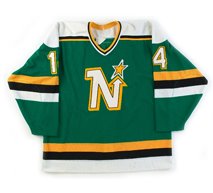
Today's third featured jersey is a 1983-84 Minnesota North Stars Gilles Meloche jersey. An interesting fact about Meloche is that he played for the California Golden Seals from 1971-72 to 1975-76, the Cleveland Barons in both 1976-77 and 1977-78 and then the Minnesota North Stars from 1978-79 to the 1984-85 season, 14 seasons in all with three different teams without once ever having being traded or signing a free agent contract as the Seals relocated to Cleveland and the Barons then merged with the North Stars.

Joining Meloche on the journey from California to Cleveland to Minnesota was MacAdam and technically Greg Smith (1 game as a rookie with the Seals before their move to Cleveland) and Maruk, who was traded to Washington after just two games with the North Stars (only to return to Minnesota five years later).

We doubt if any other players ever had so much discontinuity in such a continuous career as Meloche (14 seasons with three teams but no trades or free agent signings) and MacAdam (10 seasons of the same)!

The North Stars ushered in their new era of Gund's ownership with a new style of jersey, dropping the dual waist and arm stripes of the same color by changing to dual two color stripes of the same width. While the white home jerseys got the addition of black trim back in 1981-82, the green road jerseys did not have the addition of the striking black accent color until 1988-89.

 photo Minnesota North Stars 1983-84 F jersey.jpg
 photo Minnesota North Stars 1983-84 B jersey.jpg

Today's video is a brief, and frankly depressing look at the history of pro hockey in Cleveland through the departure of the Barons.


hit counter for blogger